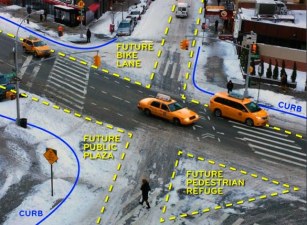
One silver lining to the recent snow: it's left thousands of "sneckdowns," places where snowbanks have narrowed down the roadway and forced cars to slow down considerably (a "snow neckdown").
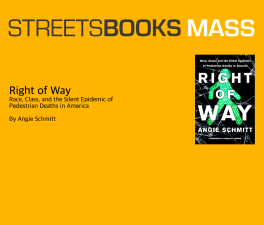
Schmitt’s book provides a detailed investigation into how pedestrian deaths have increased by 50 percent in the past decade, and how our nation's persistent patterns of racism and economic inequality play into this under-reported public health crisis.
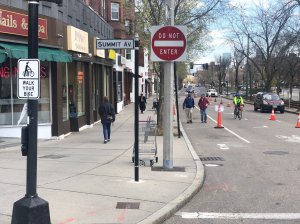
Increased working from home appears to have diminished bike traffic in cities like Boston and Cambridge, but considerably more people are walking and riding in the rest of the state.
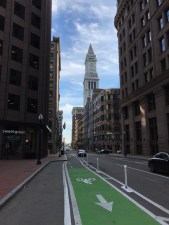
"We've been able to build out a set of bike lanes that serve as a hub for the bike network that courses into Boston's downtown," says Chris Osgood, Boston's Chief of Streets.
Major redevelopment schemes and the city's climate resiliency strategy all hinge on a plan that doesn’t exist yet: how Morrissey Boulevard will be rebuilt for a future with higher sea levels and fewer motor vehicles.
Walking is always good, and even a short, “mindful” walk can be calming by refocusing your thoughts on the simple act of taking one step followed by another.